
 Photoshop
 ZBrush
 Houdini
 Substance Painter
 Blender
 Unreal Engine
 Arnold
 Nuke
Nuke KeyShot
 V-Ray
V-Ray Marmoset Toolbag
 Mari
Mari Marvelous Designer
 Substance Designer
 3ds Max
 3DCoat
 Redshift
 Faceform Wrap
 Lightroom
 After Effects
 OctaneRender
 SpeedTree
 Daz 3D
 Agisoft Metashape
 Fusion
 Modo
Modo RealityCapture
 Gaea
Gaea Cinema 4D
 Gravity Sketch
 Premiere
 Procreate
 Clip Studio Paint
 SketchUp
 SketchBook
 Katana
 Natron
 Mudbox
 Quixel Bridge
 Quixel Megascans
 Quixel Mixer
 Substance 3D Modeler
 World Creator
 Yeti
Yeti Ziva VFX
 Mixamo
 Adobe Medium
 Quixel DDO
 xNormal
 Meshmixer
 Storyboard Pro
 DaVinci Resolve
 TreeIt
 World Machine
 Gaffer
 Corel Painter
 SynthEyes
 Krita
Krita Massive
 Materialize
 Unity
Unity Ornatrix
 PreForm
 Moi 3D
 animBot
 QuickTime
 ReCap
ReCap
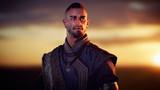

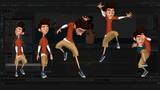











Learn the core concepts of character rigging in Maya and how to build production-ready, animator-friendly character rigs. This 5-hour workshop by Taylor Whitsett, a Technical Animator at Respawn Entertainment, reveals how to apply basic rigging principles to create complex character rigs creatively. While character rigging can often feel overwhelming, it doesn’t need to be; Taylor shares industry-proven techniques gained through experience working on titles including Walking Dead: Saints & Sinners and Medal of Honor: Above and Beyond, to help you break through any hurdles.
Follow along as Taylor introduces fundamental rigging concepts and walks through the steps to building efficient character rigs for games. From establishing a character pipeline to setting up the bind skeleton and creating a control rig, all the way through to building automated rigging and animation systems; this workshop details the entire workflow in Maya.
The incredibly talented Paul Tosca created the Nyra character model showcased throughout the workshop, which can be downloaded as a Project File with this workshop.
12 Lessons
In this workshop, Taylor Whitsett teaches how the technical animator plays a key role in game development by combining artistic skill and technical knowledge. By creating efficient pipelines, technical animators empower artists to focus on creativity while ensuring the final product meets all requirements. This position offers significant influence and the satisfaction of contributing to nearly every aspect of development.
Duration: 4m 50s

Establishing proper naming conventions and reference systems at the start of production is crucial for long-term success. These practices enable teams to work efficiently and maintain consistency across assets. Artists learn from Taylor that these foundational systems are among the most important decisions in a pipeline, as using industry-standard approaches ensures a smooth production.
Duration: 5m 50s

Proper model preparation is foundational to successful character rigging. While many models feature good geometry, artists learn to perform necessary cleanup, such as adjusting transforms and organizing names. Understanding these requirements before rigging begins saves time and ensures better results during the animation phase.
Duration: 7m 56s

This lesson introduces the basics of game character rigging in Maya, showing that correct joint placement and orientation are essential for building rigs that function well in game engines. Artists learn a workflow that balances accuracy with practical needs, focusing on predictable control behavior and clean data—critical elements that distinguish game rigging from other workflows.
Duration: 49m 46s

Successful character rigging requires balancing precision with artistic judgment. Artists learn that the ultimate goal is achieving natural movement and user-friendly controls. Understanding how joints affect the model during animation helps artists make better placement decisions throughout the rigging process.
Duration: 37m 55s

The IK/FK switching system provides flexibility to choose the best control method for different tasks, such as grounded movements or fluid motions. By connecting the skeleton to both systems in Maya, artists create an intuitive rig that maintains consistent behavior when switching between modes.
Duration: 35m 50s

The ribbon spline spine rig offers a balance between manual control and automation. By combining broad movement controls with refinement tools, artists achieve natural results without excessive manual work. This approach is valuable for spine animation, where realism and ease of use are both essential.
Duration: 14m 46s

In this lesson, artists learn professional rigging techniques for creating user-friendly controls in Maya. The reverse foot setup provides essential functionality for realistic animation, allowing the foot to pivot and roll naturally. Artists learn to use specific attributes to ensure maximum flexibility, a key principle in professional production.
Duration: 21m 43s

Setting up corrective bones is crucial for maintaining volume and achieving correct movement in game character rigs. While the setup requires careful attention to detail, it provides stable results that allow artists to push poses further while maintaining a high-quality appearance.
Duration: 32m 45s

Production-ready character rigs include advanced features such as automated prop systems and custom controls. By building intelligent systems that handle complexity automatically, artists allow animators to focus on creative performance rather than technical troubleshooting.
Duration: 29m

Artists learn to create automatic systems for secondary elements like armor pieces, which significantly reduces the animation workload. These techniques represent professional standards that make rigs more intuitive to use, saving time in production while achieving natural character movement.
Duration: 42m 44s

Taylor finishes the workshop with a recap on the essential knowledge for creating production-ready character rigs for games, focusing on organization, performance optimization, and animator usability. Taylor emphasizes the importance of understanding professional workflows and best practices for delivering clean, efficient character rigs to animation teams.
Duration: 13m 3s

Primary tools
For this workshop you’ll need:

* Note that these programs and materials will not be supplied with the course.
Project Files
When you download the workshop files, you'll gain access to a complete 3D character project featuring the "Nyra" model, including all source files and textures. Inside, you'll find:
- Maya project files (.ma/.mb) – The original 3D scene files you can open and edit in Autodesk Maya
- Export-ready 3D models (.fbx) - Industry-standard formatted models that work across most 3D software and game engines
- Layered texture source files (.psd) - Photoshop files for the character's body and head textures that you can customize and modify
- Complete texture sets (.tga) - All the maps you need, including diffuse, normal, specular, and displacement textures for realistic rendering
Skills Covered
Who’s this Workshop for?
This workshop is crafted for intermediate-level Maya users and aspiring technical animators who want to master character rigging for game production. It's perfect for 3D artists transitioning into technical roles and riggers seeking industry-standard workflows used in AAA game development.
Animators, character artists, and technical directors will also benefit significantly from understanding the techniques shown in this workshop. By learning these industry-proven methods from a Respawn Entertainment professional, participants gain valuable insights into creating animator-friendly rigs that streamline the animation process and enhance overall production efficiency.
Learning Outcomes
By completing this workshop, artists will gain the knowledge to build production-ready character rigs using industry-standard techniques and workflows in Maya.
Key skills include:
- How to establish efficient character rigging pipelines for game development production environments.
- How to create and configure bind skeletons that provide optimal deformation for character meshes.
- How to build intuitive control rigs that enhance animator workflow and creative flexibility.
- How to implement automated rigging systems that streamline repetitive technical animation tasks effectively.
- How to apply fundamental rigging principles to create complex character setups for games.
- How to develop animator-friendly rigs that meet professional production standards and requirements.


